-- Text by Hans-Christian Matthiesen, IDOC president
In our current climate, how we apply the FEI judging guidelines on tension, submission, acceptance of the contact, and harmony is more than technical accuracy—it’s the sport’s credibility. The FEI Dressage Judging Manual is explicit: quality of gaits and technical execution must be evaluated together with the overall picture of relaxation, confidence, and willingness. When stress and conflict signals are visible, they are not “stylistic choices”; they are relevant judging information that should influence our marks accordingly.
Stress & conflict signs we already have in our framework
The Manual (and the wider FEI framework) expects us to penalise what undermines the stated training scale outcomes—especially tension and loss of self-carriage and acceptance. That means consistently recognizing observable indicators such as:
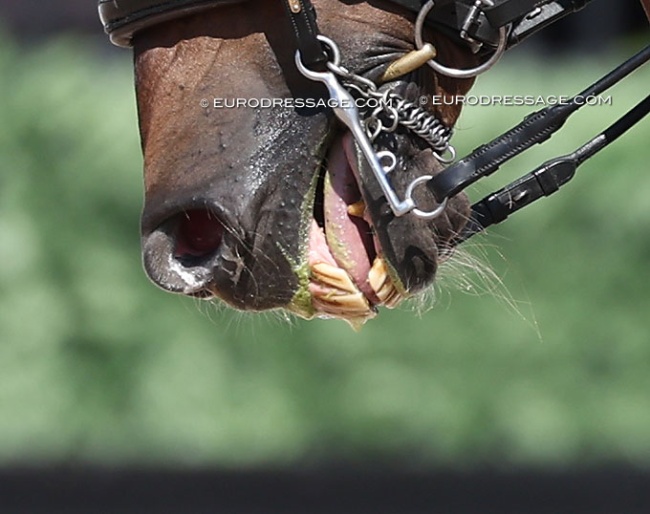
- persistent mouth opening, tongue issues, or unstable contact
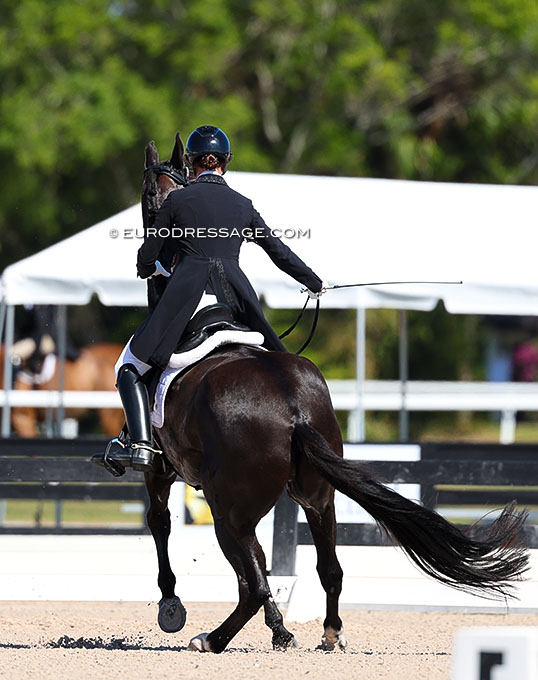
- repeated tail swishing not explained by environment
- ears pinned, anxious facial expression, rigid poll/neck, bracing through topline
- repeated resistance patterns (e.g., backing off the hand, escaping through (head and) neck position, repeated head movements)
- marked tension that compromises rhythm, suppleness, and straightness
A strong evidence base supports the point that many “conflict behaviours” correlate with discomfort/pain and/or significant stress—i.e., behaviours are signals, not noise. The Ridden Horse Pain Ethogram (RHpE) literature is relevant here, because it operationalises ridden pain-related behaviours into a practical observation framework and demonstrates strong discrimination between uncomfortable (lame, uneven)/comfortable.
There is also competition-focused research showing that conflict behaviours are measurable in dressage contexts—and importantly, that some behaviours may be under-weighted in scoring depending on what judges attend to.
And very recent work analysing stress-related behaviours across levels reinforces that these signs can be quantified from video and are present within the competitive population.
The hard part: bias is real—even for experienced judges
We all like to believe we “just judge what we see.” But robust analyses in elite dressage show systematic influences on scoring consistent with nationality-related bias, home advantage, reputation / prior ranking effects, and starting order effects.
These effects are not accusations of bad faith—they’re reminders that human perception is context-sensitive, especially under time pressure.
So, what helps in practice?
- Anchor to observable markers first
Before “overall impression” kicks in, make a quick internal check: rhythm, relaxation, contact, straightness, collection—what do I actually see right now? - Use a micro-checklist for stress/conflict
Pick 3–5 “non-negotiable” signs you will always register (e.g., persistent open mouth, loss of suppleness and selfcarriage, obvious tension, repeated resistance). If present, ensure the mark reflects it—even if the movement is otherwise “spectacular.” - Actively resist halo effects
Famous combination, big trot, great music—none of that should drown out tension. Bias studies suggest that prior ranking/reputation can leak into marks unless we deliberately compartmentalise. - Recalibrate during the test
If you catch yourself thinking “this is a top combination,” pause and re-set to the training scale and the directives. - Promote consistency, not perfection
We won’t eliminate bias entirely. But we can reduce it by being consciously, repeatedly focused on the FEI definitions and the horse’s way of going.
Why this matters
If we do not reliably apply the guidance on tension/conflict, we risk rewarding pictures that conflict with the FEI’s own stated ideals. The science is not telling us to become veterinarians from the box—but it is telling us that the behaviours we already describe in our guidelines are meaningful and should be treated as such.
Photos © Astrid Appels
Related Links
Matthiesen's 2025 End-Of-the Year IDOC Message: "On Achieving Lasting Change Through Education, Discussion and Collaboration"
Hans-Christian Matthiesen: "On the Importance of Continuing Education and In-Person Meetings for Officials"
Hans-Christian Matthiesen: "Sport and Politics Should Go Hand in Hand"